


×

Questions from our Pharmacist
As this is a Pharmacy Medicine, we need to ask you a few questions. These will help our Pharmacist ensure the product is right for you.

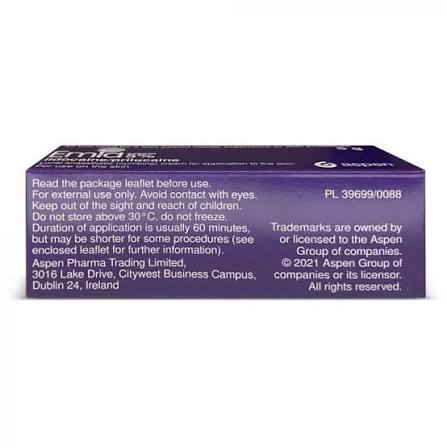
Emla Numbing Cream 5% - 5g (P) (N)
EMLA Cream 5% is a local anaesthetic cream containing lidocaine and prilocaine. It numbs the surface of the skin for a short time before needle procedures, such as injections and blood tests, and before minor skin procedures.
Pharmazon Direct supplies EMLA Cream 5% (5g tube, made by Aspen Pharma) as a pharmacy medicine. You do not need a prescription, but our pharmacist checks your answers to a short questionnaire before your order is dispatched.
|
At a glance Active ingredients: lidocaine 25 mg and prilocaine 25 mg per gram (2.5% + 2.5%) Legal category: pharmacy medicine (P) Manufacturer: Aspen Pharma Use: numbs the skin before needle procedures and minor skin procedures |
Frequently Asked Questions
Do I need a prescription for EMLA Cream?
No. EMLA Cream is a pharmacy medicine. Our pharmacist reviews a short questionnaire before your order is dispatched.
How long does EMLA Cream take to work?
For a needle procedure on intact skin in adults and children over 1 year, leave it on for at least 1 hour under a dressing. The maximum is 5 hours.
Do I rub EMLA Cream in?
No. Apply a thick layer, do not rub it in, and cover it with an airtight dressing.
Does EMLA Cream numb everything?
It numbs the skin surface and reduces pain, but you may still feel pressure and touch.
Can EMLA Cream be used on broken skin?
No. Do not use it on cuts, grazes, rashes or open wounds. Leg ulcers are the exception, under the direction of a healthcare professional.


